This is a story from my career, which means, for the purpose of protecting the privacy of anyone mentioned, I’ll be making up a good chunk of the details, but keeping a core of truth within it. So, please read it as an extended metaphor for what really happened!
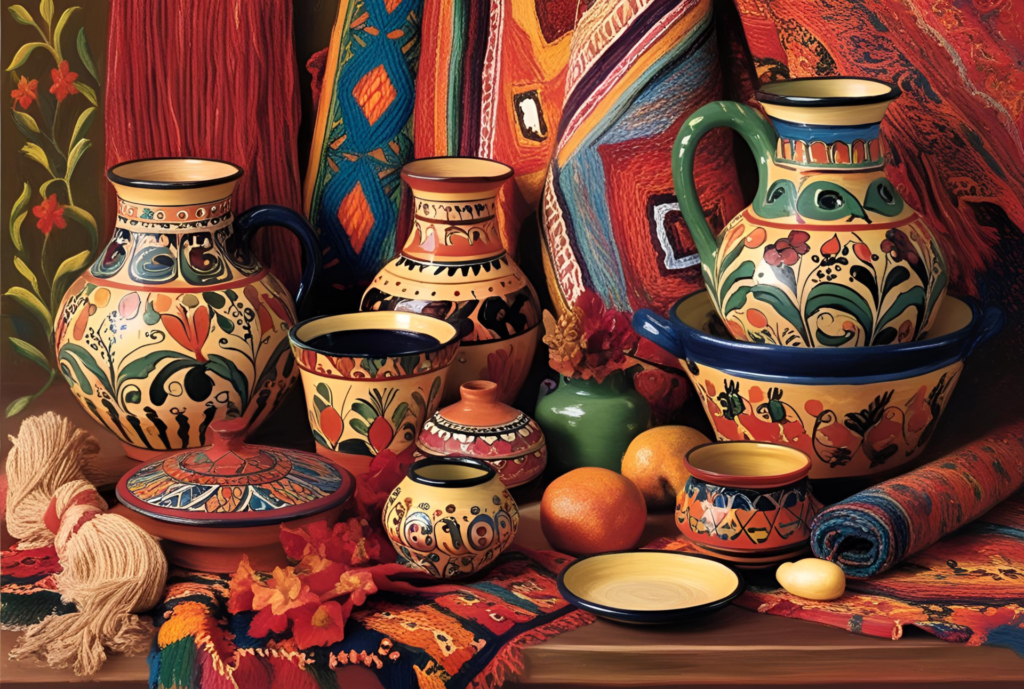
I once worked in a team to produce ceramic pots for sale. These were meant to be quite elaborate pots which took a lot of effort over a long period of time to make, and our customers bought them because they were quite useful to have around the house. (And they looked good, too!)
There were many teams in the company, with their own potters – no, ceramicists! – producing different styles and designs of pots. Each team of ceramicists reported to a Lead Ceramicist, and one of the Lead Ceramicists was also the CCO – the Chief Ceramics Officer.
Now, the pots needed to be produced to meet deadlines, and over time, the pressure to churn out finished pots more quickly started to bear down on all the ceramicists. Some of the ceramicists, myself included, frequently worked extra unpaid hours to finish their pots to an acceptable standard (after all, an artist puts a little of themselves into every work they create, right?) while others resorted to cutting corners – especially after the amount of time ceramicists were permitted to spend making pots was cut by 15%.
The company’s management had always taken an unhealthily close interest in exactly how much time the ceramicists were spending at their pottery wheels. But the Chief Ceramics Officer went even further. As part of the company’s emphasis on completing pots more quickly, the Chief Ceramics Officer started to go around the factory floor and ask the ceramicists individually about their work. That sounds nice, right? Someone from the senior management team taking an interest in your day-to-day work?
However, this wasn’t just a casual inquiry about the progress of each pot. No, the CCO would ask every single ceramicist in the company a list of ten questions about the detailed progress of each pot, such as: which components of the pot are finished? What’s that as a percentage of the total pot? What’s the overall design? How many glazes have you applied to the surface of your pot? When is the pot going into the kiln? If it’s not oven-ready, how far behind is it and why? And to top it all off, the CCO would whip out their camera and take detailed photos of the pot in its work-in-progress state, presumably so that the ceramicists with the slowest and clumsiest fingers could be identified and monitored more intensively (or simply replaced).
This happened twice a week, without fail. The same ten questions, every time.
I eventually found the compliance burden so onerous that I ended up creating an automated reporting tool to answer the CCO’s questions. For each of the components of my pot – the design, the firing, the glazing, the shaping, and so on – I would estimate a percentage completion rate. If I expected some components to take longer, I’d allocate a bigger weighting to them. Then the reporting tool would calculate the (weighted average) percentage completion rate of the pot, and generate most of the answers to the Chief Ceramics Officer’s questions which I could reel off when the CCO dropped by to ask about my pot. So instead of compiling rapidly-obsolescing statistics on precisely how much clay I was using, I could spend my time making my pots into true works of art – which was ultimately what our customers were paying the company for, and what the ceramicists were hired to do.
(These days, of course, AI tools are advanced enough that you could probably upload a photo of the pot-in-progress and ask the AI tool to generate the answers in seconds, but those weren’t available back in my ceramic pot-making days.)
In my view, the key takeaways from my experience would be: quality work ultimately takes time to produce and can’t be rushed; employee monitoring systems can become intrusive if not thought through properly, which can tip over into micromanagement and create perverse incentives; and often people just need to be trusted to get on with the work they do best.